
Institution-Industry Cell
The Institution Industry Cell at DIEMS serves as a dynamic bridge between academia and industry, promoting innovation, research, skill development, industrial exposure, and meaningful collaboration for creating industry-ready professionals.
- Academia–Industry interaction and collaboration
- Industrial exposure for students and faculty
- Research, consultancy, and innovation support
- Projects, MoUs, guest lectures, and skill enhancement
The Institution Industry Cell at DIEMS has been actively functioning with the primary objective of fostering strong and sustainable linkages between academia and industry. The Cell acts as an effective interface between the institute and the industrial ecosystem, helping bridge the gap between industry requirements and academic outcomes. It facilitates meaningful collaboration that enhances student employability, enriches faculty expertise, and supports industry through innovative and research-driven solutions.
The Institution Industry Cell at DIEMS actively works to bridge the gap between academia and industry by fostering strong collaborations. It promotes industrial exposure, research, consultancy, and skill development to enhance student employability and faculty expertise. Through initiatives such as industry interactions, guest lectures, projects, and MoUs, the Cell strives to create an industry-relevant and innovation-driven academic environment.
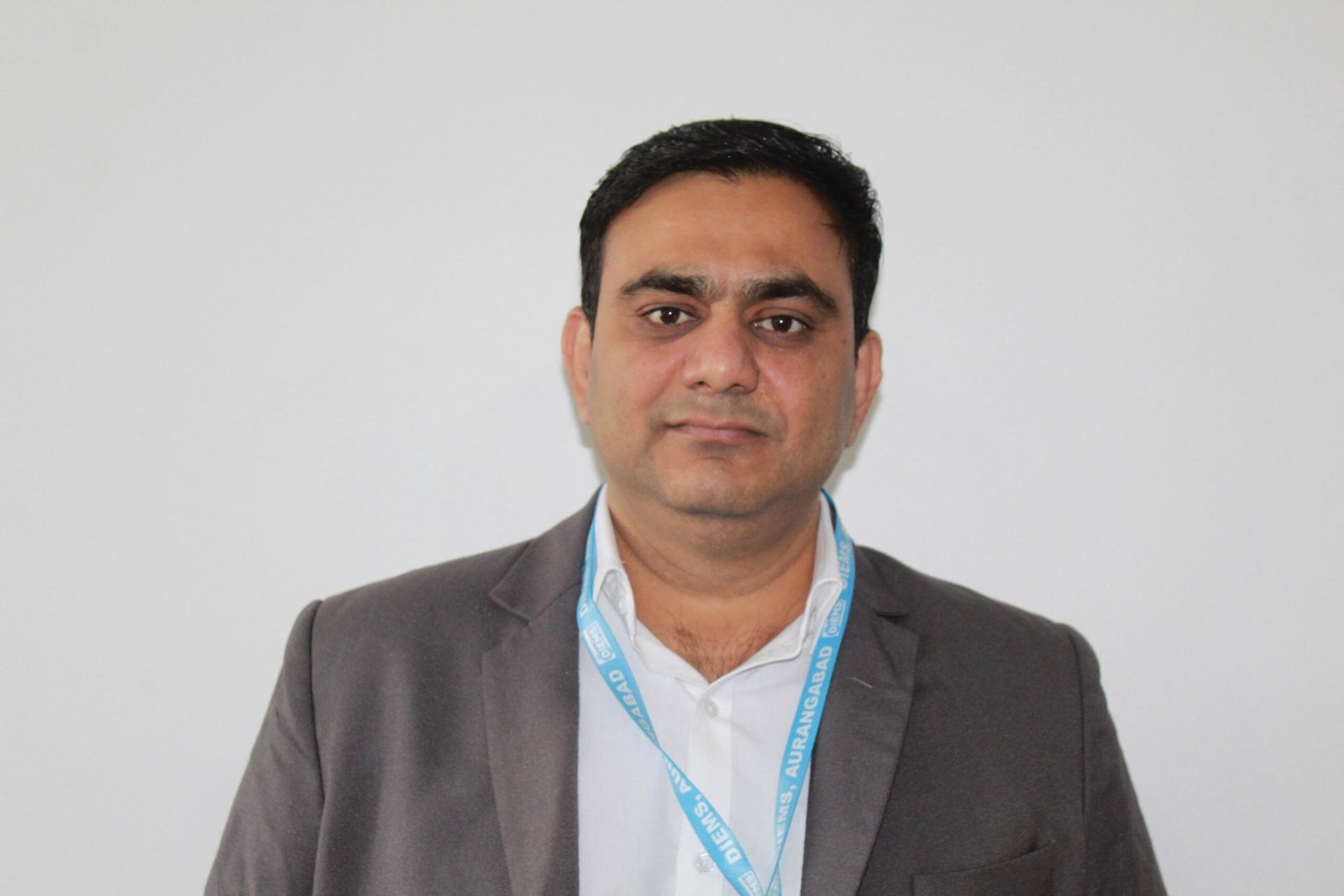
Dr. Sachin M. Agrawal
Institution Industry Cell Co-Ordinator
- To provide industrial exposure to faculty and students, enabling them to align with current industrial practices and culture.
- To facilitate joint organization of workshops, seminars, conferences, and symposia in collaboration with industries.
- To invite industry experts for guest lectures and knowledge-sharing sessions.
- To promote industry participation in curriculum design and development.
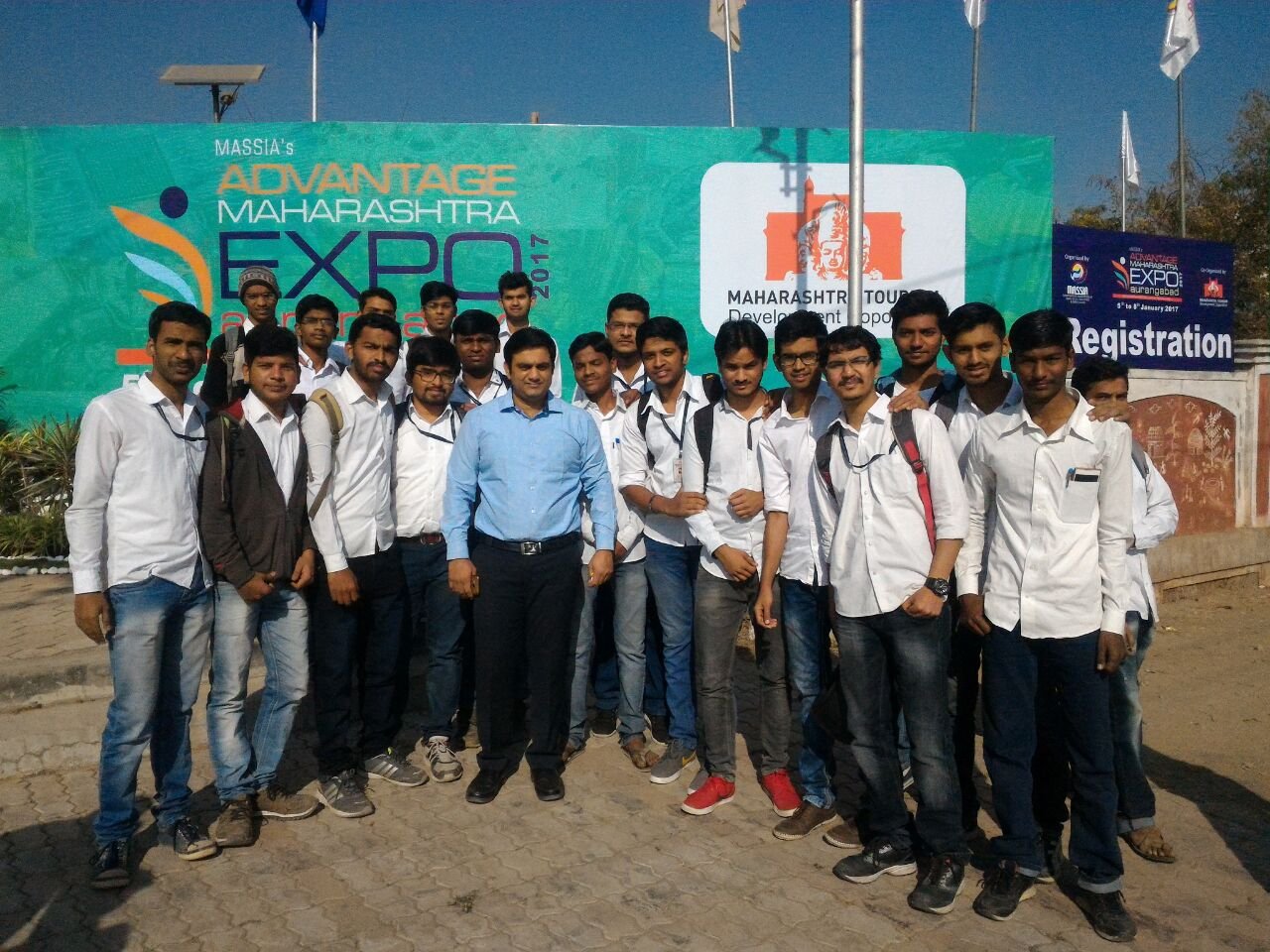
- To organize industrial visits for students and faculty members.
- To encourage faculty to undertake consultancy and problem-solving assignments for industries.
- To support industrial testing and technical services at site or institutional laboratories.
- To identify and conduct executive development programmes in emerging technological domains.
- To promote industry-sponsored projects, mini-projects, and major projects.
- To establish Centres of Excellence in collaboration with industry partners.
- To strengthen alumni engagement with industry linkage.
- To support the Training & Placement Cell in enhancing employability.
- To facilitate industry visits to campus for research collaboration and infrastructure utilization.
- To establish Memorandums of Understanding (MoUs) with industries for long-term collaboration.
- To promote visiting faculty from industry.
- To establish industry-sponsored R&D laboratories within the institute.
- Industrial testing, proofing, and calibration services
- Sponsored research projects from industries
- Access to industrial laboratories and institutional facilities
- Utilization of specialized databases and advanced lab equipment
- Short-Term Training Programmes (STTPs)
- On-site industry training programmes
- Part-time educational programmes for working professionals
- Collaborative certification and skill enhancement programmes
- Engagement of visiting faculty from industry
- Faculty training and short-term industrial assignments
- Joint industry-based projects for faculty and students
- Active participation of industry experts in curriculum design and academic planning